
75:20Al-Qiyamah
Juz 29 · Page 578كَلَّا بَلْ تُحِبُّونَ ٱلْعَاجِلَةَ
How to read it
Kallā bal' tuḥibbūna l-ʻājilata
Nay, (ye men!) but ye love the fleeting life,
Translation: Abdullah Yusuf Ali
Opening the ayah…
كَلَّا بَلْ تُحِبُّونَ ٱلْعَاجِلَةَ
Kallā bal' tuḥibbūna l-ʻājilata
Nay, (ye men!) but ye love the fleeting life,
Translation: Abdullah Yusuf Ali
Looking for reflections…
Shared reflections are reviewed before they appear. We feature ones that follow the spirit of the 4-I journey and suit families of all backgrounds.
Guided by the 4-I journey: Inspire, Investigate, Integrate, Impart. Use it as a starting point and make it your own.
Opening the guide…
4-I guide
No indeed, people love this quick, passing life.
Start with bismillah.
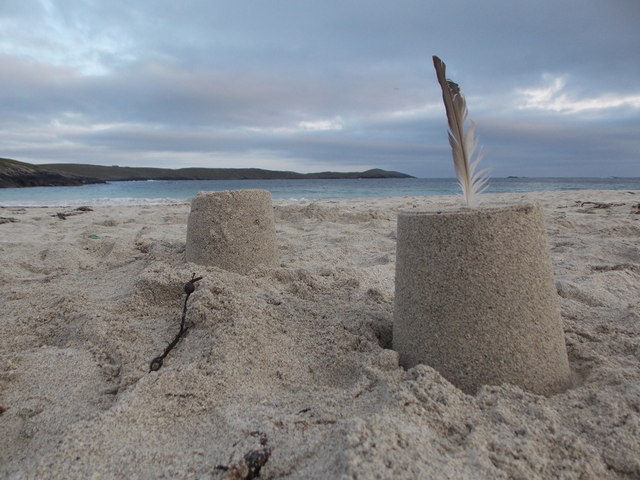
Ask: "Have you ever built a sandcastle? What happened when the tide came in?"
Watch the Casey Johnson time-lapse film Swept Away.
Now listen to the ayah together in the app, with the translation. Ask: "What do people love?"
Each child keeps one wonder question, for example: "Why do we love things that don't last?" Younger children can draw theirs.
Find it in the mushaf: Surah Al-Qiyamah is surah 75. Find ayah 20. The key word al-'ajilah means the quick, hurried thing. People often love what comes fast and goes fast. A sandcastle can be lovely, but the tide always comes.
Fact: How often does the tide come in and go out each day?
Ages 5–8: Ice melt. Put an ice cube on a plate and time how long it lasts.
Ages 9–12: Now or later. List three things that are nice now and three that are good for much longer.
Finish with: "I found that the tide comes in ___ times a day."
Talk together:
Make a small plan: "This week, I will save some pocket money instead of spending it all."
Action: Save some pocket money instead of spending it all.

No reflections for this ayah yet. Be the first, by reflecting with the 4-I journey below!