
73:5Al-Muzzammil
Juz 29 · Page 574إِنَّا سَنُلْقِى عَلَيْكَ قَوْلًۭا ثَقِيلًا
How to read it
'Innā sanul'qī ʻalay'ka qaw'lan thaqīlan
Soon shall We send down to thee a weighty Message.
Translation: Abdullah Yusuf Ali
Opening the ayah…
إِنَّا سَنُلْقِى عَلَيْكَ قَوْلًۭا ثَقِيلًا
'Innā sanul'qī ʻalay'ka qaw'lan thaqīlan
Soon shall We send down to thee a weighty Message.
Translation: Abdullah Yusuf Ali
Looking for reflections…
Shared reflections are reviewed before they appear. We feature ones that follow the spirit of the 4-I journey and suit families of all backgrounds.
Guided by the 4-I journey: Inspire, Investigate, Integrate, Impart. Use it as a starting point and make it your own.
Opening the guide…
No reflections for this ayah yet. Be the first, by reflecting with the 4-I journey below!
4-I guide
Allah will soon send down to him a weighty message.
Start with bismillah.
Hold a feather in one hand and a book in the other. Ask: "Which feels heavier? Which is more important?"
Watch the Tender Intellects video Mass vs. Weight.
Now listen to the ayah together in the app, with the translation. Ask: "What kind of message is coming?"
Each child keeps one wonder question, for example: "Why is the Quran called heavy?" Younger children can draw theirs.
Find it in the mushaf: Surah Al-Muzzammil is surah 73. Find ayah 5. The key words qawlan thaqila mean a heavy, weighty word. The Quran is "heavy" because it is so important and carries big responsibilities. Weighty things need strong hands, and the night prayer gave the Prophet strength.
Fact: What is the difference between mass and weight?
Ages 5–8: Weigh it. Use kitchen scales to weigh five things. Put them in order from lightest to heaviest.
Ages 9–12: Moon weight. Find out what you would weigh on the Moon. Why is it different?
Finish with: "I found that mass is ___ and weight is ___."
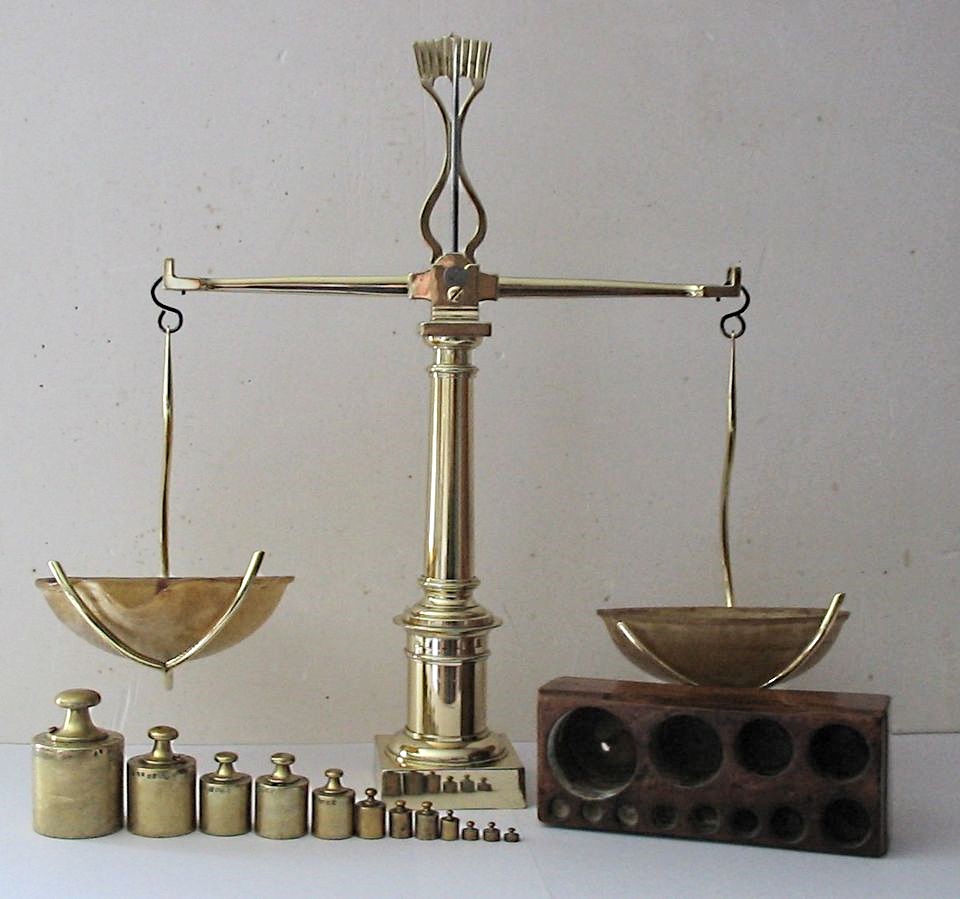
Talk together:
Make a small plan: "This week, I will treat my mushaf with extra care."
Action: Treat your mushaf with extra care.
