
55:16Ar-Rahman
Juz 27 · Page 531فَبِأَىِّ ءَالَآءِ رَبِّكُمَا تُكَذِّبَانِ
How to read it
Fabi'ayyi 'ālā'i rabbikumā tukadhdhibāni
Then which of the favours of your Lord will ye deny?
Translation: Abdullah Yusuf Ali
Opening the ayah…
فَبِأَىِّ ءَالَآءِ رَبِّكُمَا تُكَذِّبَانِ
Fabi'ayyi 'ālā'i rabbikumā tukadhdhibāni
Then which of the favours of your Lord will ye deny?
Translation: Abdullah Yusuf Ali
Looking for reflections…
Shared reflections are reviewed before they appear. We feature ones that follow the spirit of the 4-I journey and suit families of all backgrounds.
Guided by the 4-I journey: Inspire, Investigate, Integrate, Impart. Use it as a starting point and make it your own.
Opening the guide…
No reflections for this ayah yet. Be the first, by reflecting with the 4-I journey below!
4-I guide
Then which of the blessings of your Lord would you both reject?
Start with bismillah.
Ask: "How do your fingers know how to move?"
Watch the Nugget video How Do We Move Our Fingers?!
Now listen to the ayah together in the app, with the translation. Ask: "Which blessings have we just heard about?"
Each child keeps one wonder question, for example: "What can my hands do that I never thank Allah for?" Younger children can draw theirs.
Find it in the mushaf: Surah Ar-Rahman is surah 55. Find ayah 16. The key word rabbikuma means the Lord of you both, meaning humans and jinn. After describing how humans were made, the question comes again. Think of your hands: they hold, draw, write, wave and hug. No machine yet built can match them.
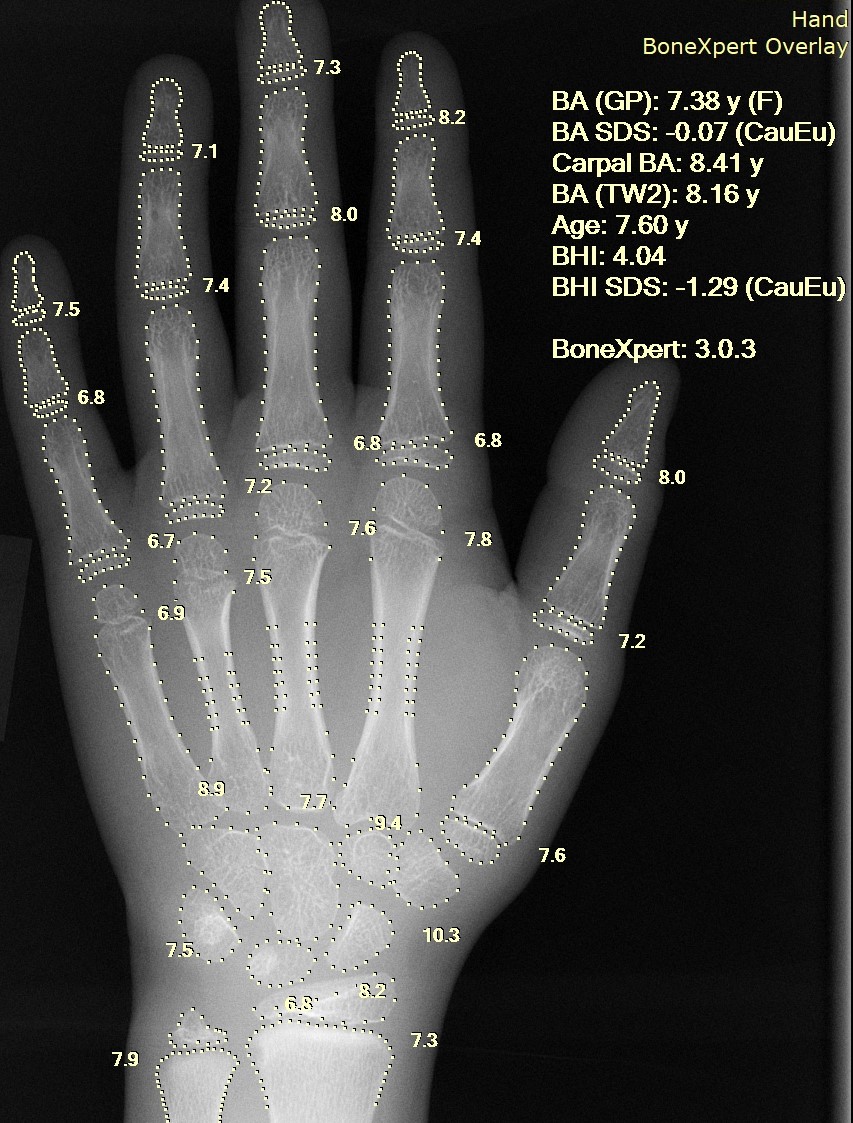
Fact: How many bones are in one human hand?
Ages 5–8: Hand tasks. Try to button a shirt without using your thumbs. How hard is it?
Ages 9–12: Hand count. List twenty things your hands did today.
Finish with: "I found that one hand has ___ bones."
Talk together:
Make a small plan: "This week, I will use my hands to help with a job at home."
Action: Use your hands to help with a job at home.
