
35:19Fatir
Juz 22 · Page 437وَمَا يَسْتَوِى ٱلْأَعْمَىٰ وَٱلْبَصِيرُ
How to read it
Wa mā yas'tawī l-'aʻ'mā wal-baṣīru
The blind and the seeing are not alike;
Translation: Abdullah Yusuf Ali
Opening the ayah…
وَمَا يَسْتَوِى ٱلْأَعْمَىٰ وَٱلْبَصِيرُ
Wa mā yas'tawī l-'aʻ'mā wal-baṣīru
The blind and the seeing are not alike;
Translation: Abdullah Yusuf Ali
Looking for reflections…
Shared reflections are reviewed before they appear. We feature ones that follow the spirit of the 4-I journey and suit families of all backgrounds.
Guided by the 4-I journey: Inspire, Investigate, Integrate, Impart. Use it as a starting point and make it your own.
Opening the guide…
No reflections for this ayah yet. Be the first, by reflecting with the 4-I journey below!
4-I guide
The blind and the seeing are not the same.
Start with bismillah.
Ask: "What is the difference between looking and really seeing?"
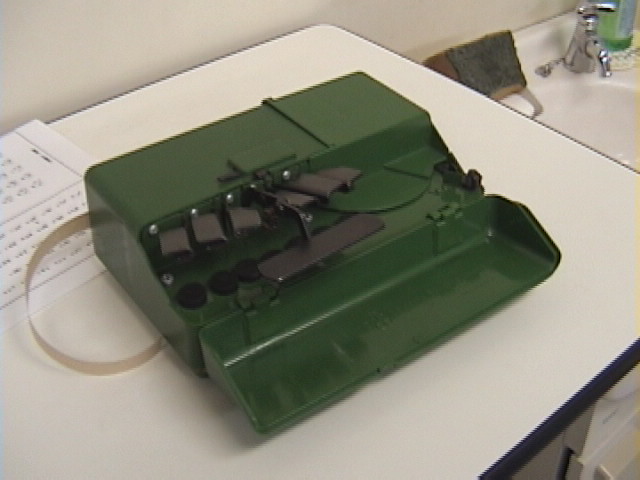
Watch the QS Production video How Blind People Read the Quran.
Now listen to the ayah together in the app, with the translation. Ask: "Which two are not equal?"
Each child keeps one wonder question, for example: "Can someone see with their heart?" Younger children can draw theirs.
Find it in the mushaf: Surah Fatir is surah 35. Find ayah 19. The key word al-a'ma means the blind. Scholars explain this as a comparison between a heart that refuses the truth and a heart that sees it. Many people who cannot see with their eyes have hearts full of light and even memorise the whole Quran. Real sight is in the heart.
Fact: In what year did Louis Braille create his reading system?
Ages 5–8: Touch reading. Feel raised dots made with glue on card and try to count them with your eyes closed.
Ages 9–12: Heart sight. Write about someone who sees the truth clearly even though life is hard for them.
Finish with: "I found that braille was created in ___."
Talk together:
Make a small plan: "This week, I will notice one truth I usually walk past."
Action: Notice one truth you usually walk past.
